
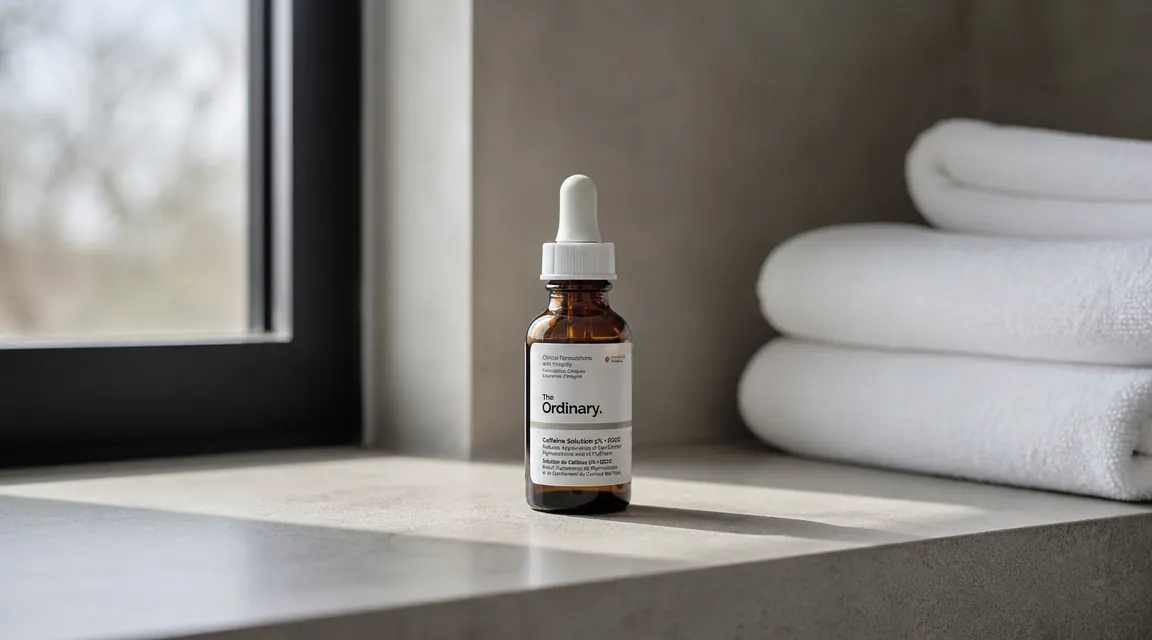
I bought The Ordinary Hyaluronic Acid 2% + B5 because I was tired of spending premium prices on hydrating serums that felt indistinguishable from water. My skin runs dry to dehydrated, meaning it lacks both oil and water, which is a combination that makes winter especially uncomfortable and foundation especially unforgiving. A coworker had been using The Ordinary's formula for months and mentioned, without any real enthusiasm, that she just kept repurchasing it. That lack of enthusiasm was actually what sold me. I ordered a bottle.
I tested The Ordinary Hyaluronic Acid 2% + B5 every morning for eight weeks, applying it after cleansing and before moisturizer on slightly damp skin. My skin type: dry, dehydrated combination, mild sensitivity around the nose and cheeks. I tracked texture, tightness, makeup wear, and any irritation across the full eight weeks. Here is everything I found.
The Quick Verdict
A genuinely effective hydrating serum for dry and dehydrated skin types, held back only by an application window that punishes anyone who skips the damp-skin step.
Amazon Check Today's Price →Your skin is tight by mid-afternoon and your moisturizer isn't fixing it. That's a hydration problem, not a moisture problem.
The Ordinary HA 2% + B5 targets water content at three different skin depths. Current price on Amazon is very low for a 30ml bottle.
Amazon Check Today's Price on Amazon →How I've Used It
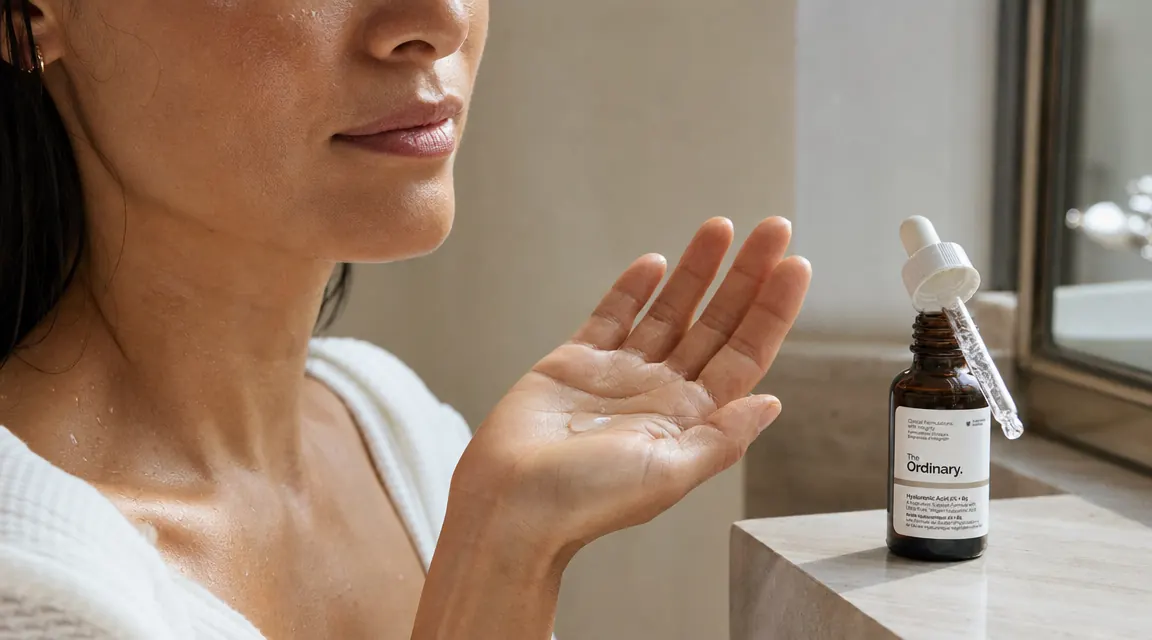
Every morning: cleanse with a gentle gel cleanser, pat my face mostly dry but leave it slightly damp, press three to four drops of the serum into my palms, press palms onto face and neck rather than rubbing. Then I wait about thirty seconds before applying a fragrance-free moisturizer on top. I did not use it at night during this test because I wanted to isolate the morning results without other actives overlapping.
The reason the damp-skin step matters is chemistry, not ritual. Hyaluronic acid pulls moisture from wherever it can find it. On damp skin, it draws from the water sitting on your surface. On bone-dry skin in a low-humidity room, it can pull from deeper layers and actually leave you feeling tighter after thirty minutes than you did before. I learned this during week one when I skipped the damp step twice and noticed my cheeks felt stretched by 10am. After that I kept a misting spray next to the sink for mornings when I got lazy.
At around week three I started alternating days where I applied it to fully dry skin just to track the difference. The results were consistent: damp application led to visible plumping within an hour, dry application produced no negative result when humidity in my apartment was reasonable (above 40%), but noticeably less improvement on dry winter mornings below 30% humidity. This is worth knowing before you buy.
What the Formula Actually Contains
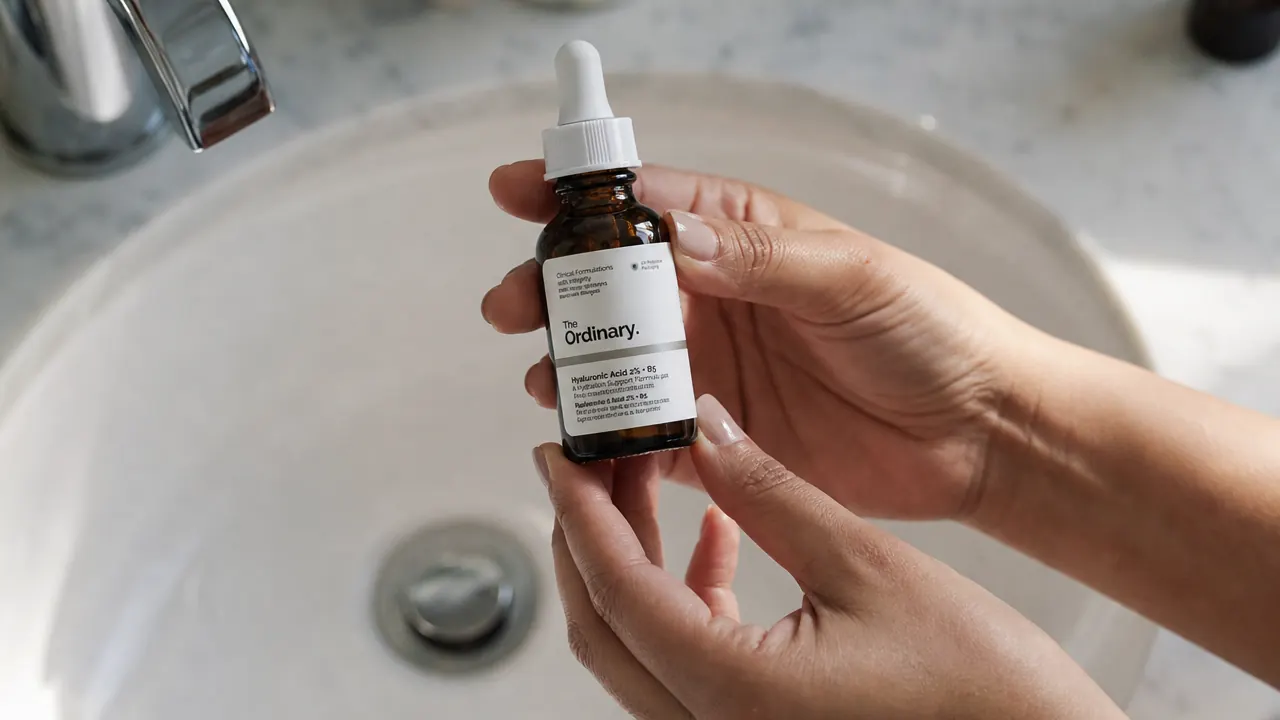
The name says Hyaluronic Acid 2% + B5 and the updated formula also adds ceramides, which is a meaningful addition. The formula uses three molecular weights of hyaluronic acid: high, medium, and low. High-weight HA sits on the skin surface and creates a plumping film. Low-weight HA penetrates more deeply and supports hydration at the lower epidermis. The B5 (panthenol) is a humectant that supports barrier repair rather than just water retention. It's the ingredient that helps the formula do something beyond a simple one-day moisture hit.
The ceramides in the updated formula are a newer addition that The Ordinary made to align this serum more closely with barrier-supporting products. In practice, I didn't notice a dramatic difference from the ceramides alone, but I do think they help the formula sit better under moisturizer without pilling, which was a complaint about earlier versions of this product. The texture is viscous, clear, and gel-like. It layers without balling up under a heavier cream, which was one of my first practical concerns.
By week four, the tight feeling I used to get across my cheeks by mid-morning had mostly stopped. It wasn't a dramatic transformation. It was just gone.
Week-by-Week Results
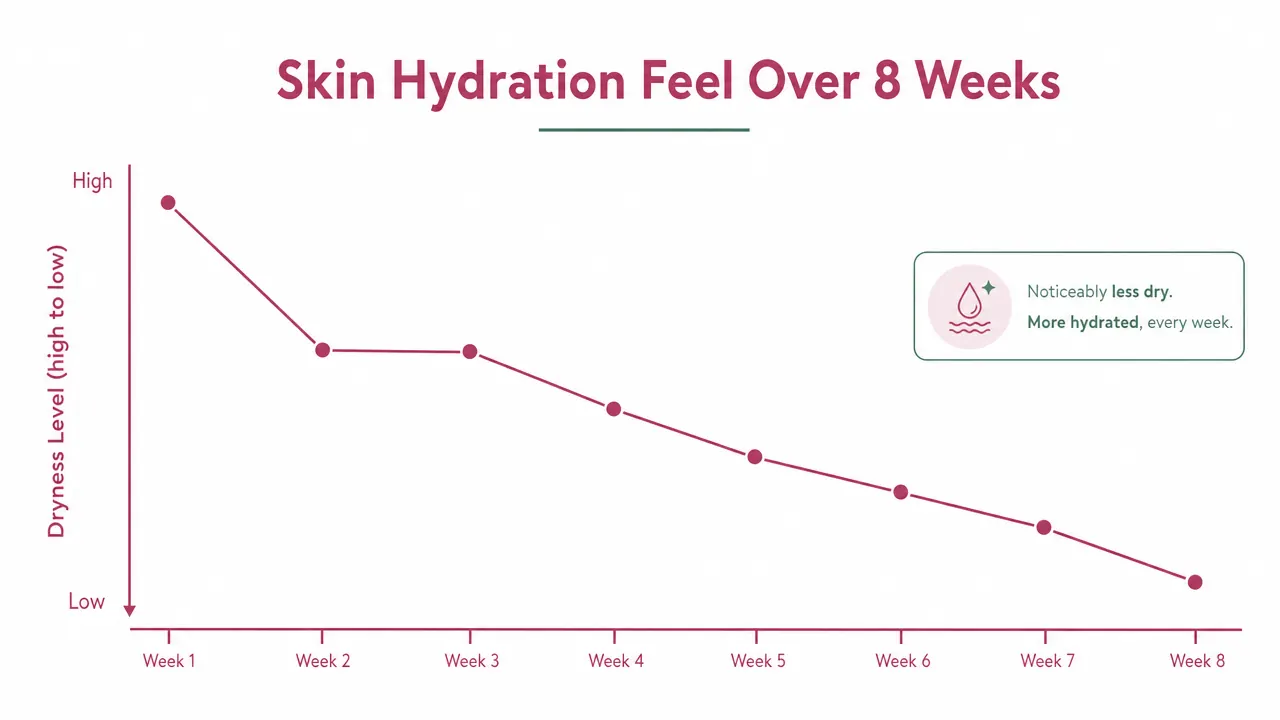
Weeks one and two were unremarkable in a useful way. My skin felt softer within an hour of application, but I wasn't sure if that was the serum or the fact that I was now being more deliberate about my morning routine. I kept a simple note on my phone each morning: 'tight,' 'comfortable,' or 'good.' During weeks one and two I was getting mostly 'comfortable' by mid-morning.
Week three brought the plateau I mentioned. A run of cold, dry days in my apartment left my skin feeling about the same as before I started, and I almost stopped the test. I went back to making sure the skin was damp at application, and by the end of week three things improved again. This is the real variable with HA serums. They are more sensitive to environment than almost any other category of skincare product.
Weeks four through six were noticeably better. The tight feeling I used to get across my cheeks and along my jawline by mid-morning had mostly stopped. My foundation, which previously emphasized the dry patches near my nose and the fine creases across my forehead, was sitting flatter. I didn't need to press it in with my fingers as often. That was the clearest external signal I had that something was improving at the surface level.
By week eight, I would describe my skin as consistently more comfortable rather than dramatically different. I was no longer thinking about tightness. My skin retained a slightly more plump look in the mirror, especially in the morning before heat and sun had a chance to pull moisture out. My cheek area in particular looked smoother in natural light. These are not dramatic before-and-after results. They are the kind of results that make you keep repurchasing a product because it just works quietly in the background.
Ingredient Deep Dive: Multi-Depth Hydration
The phrase 'multi-depth hydration' shows up on the packaging and in the product description, and it's worth unpacking because it's not just marketing. Different molecular weights of hyaluronic acid genuinely do work at different layers of the skin. The high-molecular-weight HA is too large to penetrate the epidermis, so it forms a moisture-trapping film on the surface. This is what creates the immediate plumping effect you feel within minutes of application. The low-molecular-weight version is small enough to work deeper, supporting hydration that lasts hours rather than minutes.
The panthenol (B5) supports the barrier between applications by attracting water and helping the skin cells hold onto it. This distinction matters because pure HA alone can feel great for an hour and then leave skin feeling about the same as before. B5 extends the effect. The ceramide addition rounds out the formula by helping seal the barrier so less of that water evaporates throughout the day. That's the theory, and the eight-week results mostly support it.
Texture, Scent, and Layering
The texture is the one thing most people either love or find odd. It's thicker than water but thinner than most serums, with a slightly slippery gel quality that spreads across the whole face with two or three presses of the dropper. It absorbs in under sixty seconds. There is no scent, which matters to me because I have mild sensitivity and fragrance is one of the fastest ways to trigger a flushing response on my cheeks.
Layering is easy. This serum sits under any moisturizer I've tried without pilling or moving around. It also works under sunscreen without affecting wear. I did try it under a face oil on a few occasions and found that using the oil directly after the serum without a moisturizer in between caused some patchy absorption, but that's less about this formula and more about how oils interact with water-based products generally. The standard routine order is water-based serum, then cream, then SPF, and this product fits that pattern cleanly.
Tradeoffs and Alternatives I Considered
The main tradeoff with this serum is that it requires more mindfulness at application than most products in its category. If you're someone who cleanses, pats completely dry, and then goes through a six-step routine before the serum touches your face, you'll likely need to either mist first or apply this immediately after patting. That extra step feels minor but it's the difference between this formula working well and working only adequately.
I considered the Neutrogena Hydro Boost Serum as an alternative before this test. The Hydro Boost uses sodium hyaluronate (a salt form of HA) in a different delivery base. It's a good product, but it costs roughly twice as much for a similar volume, and in my testing over a previous season, it produced comparable results to what I'm now seeing from The Ordinary. If you live somewhere very humid and don't need the multi-weight layering approach, either formula will serve you. If you're in a drier climate and want a formula that works harder, The Ordinary's three-weight approach has an advantage. I cover this comparison in more detail in a separate piece on The Ordinary vs Neutrogena Hydro Boost.
What I Liked
- Three molecular weights of hyaluronic acid address hydration at the surface and deeper epidermal levels
- Fragrance-free, colorant-free, no alcohol, minimal irritation risk for sensitive skin
- Layers cleanly under any moisturizer or SPF without pilling
- Current price makes it the most affordable HA serum with this level of formula detail
- Updated formula includes ceramides for better barrier support between applications
- Noticeable improvement in tight or dehydrated skin within two to four weeks of consistent use
Where It Falls Short
- Requires application to damp skin to work well, especially in low-humidity environments
- Results plateau in the first two weeks before improving, which can feel discouraging
- Dropper bottle design makes it easy to overuse and run through faster than expected
- No SPF, so it doesn't replace sunscreen as some more expensive serums begin to combine functions
Who This Is For
This serum makes the most sense for anyone dealing with dehydrated skin, meaning skin that feels tight even when it's not flaky, skin that makes foundation look patchy even on days when you've moisturized carefully, or skin that feels dry by mid-afternoon on reasonable days. It's also a strong choice for people who want to layer a hydration step into a routine that's already working but missing plumpness. Because it's fragrance-free and alcohol-free, it fits into sensitive and rosacea-prone routines without much risk. Dry skin types benefit most. Oily skin types will likely find this redundant if they already have adequate hydration, though it's unlikely to cause any problems.
Who Should Skip It
If you live in a very arid climate year-round and don't want to add the damp-skin application step or keep a facial mist handy, this formula can work against you on dry days. In that case, a richer cream that combines occlusive and humectant ingredients in one product might be a better fit. People with oily or normal-hydrated skin who are hoping for an oil-control benefit or skin-clearing result should also skip this. Hyaluronic acid does nothing for oil production, pore size, or congestion. It addresses water content only. If those are your concerns, a niacinamide serum is a better starting point.
Eight weeks of consistent use confirmed what 36,000 Amazon ratings already suggest: this formula quietly does what it says.
The Ordinary Hyaluronic Acid 2% + B5 is available on Amazon, typically in stock, and has stayed budget-priced through consistent repurchases over the past year. Worth trying before spending more.
Amazon Check Today's Price on Amazon →